
Government Shutdown as an Opportunity to Enact Reform
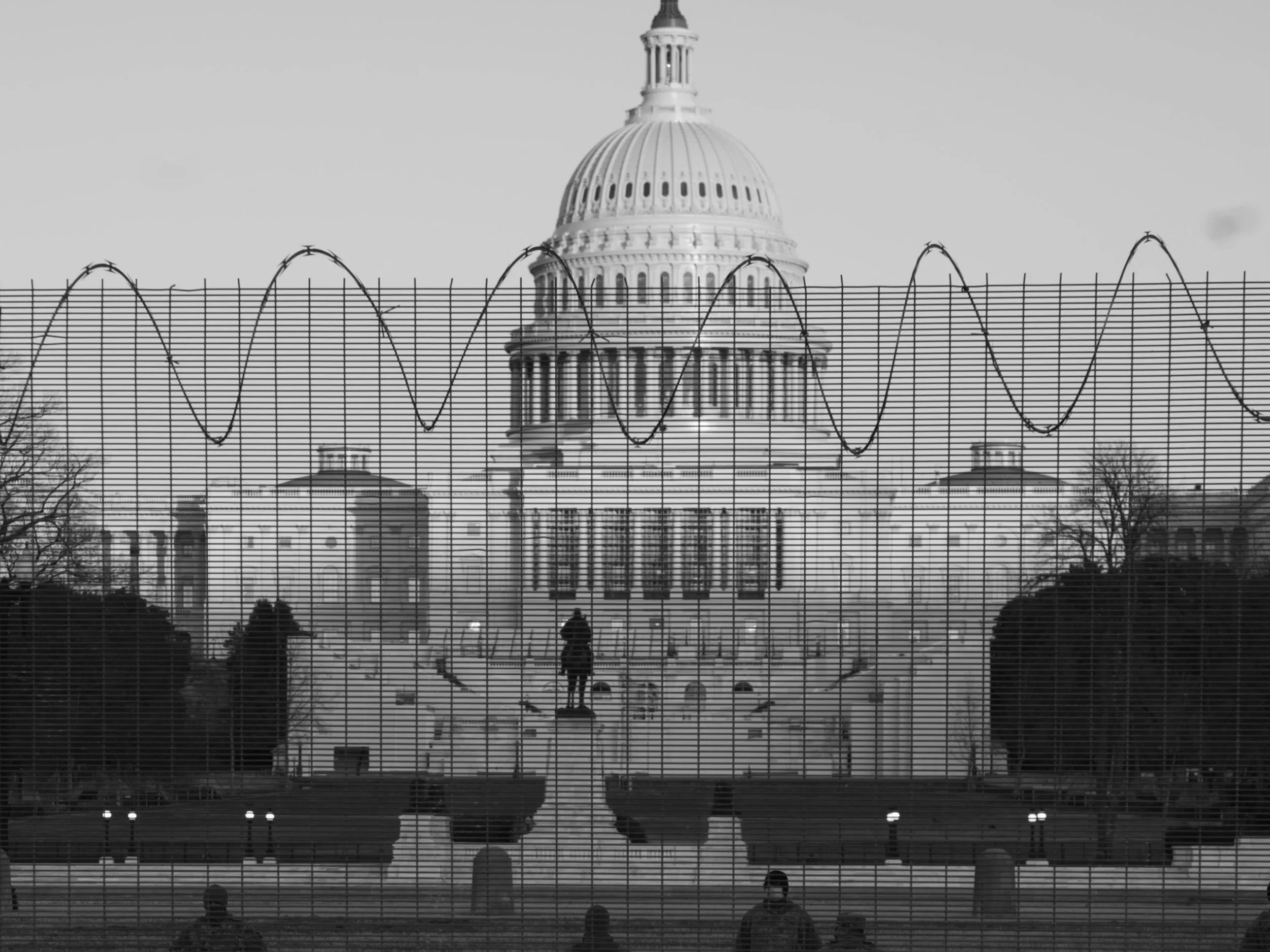
True leadership and representation mean sharing in the consequences of a shutdown, not avoiding them.
By Vencetia Flournoy
Since 1851, when US Attorney General Benjamin Civiletti interpreted the Antideficiency Act to mean the government should function with limited capabilities during an appropriations expiration, there have been 15 federal shutdowns, including our current one. Government shutdowns are a uniquely American approach, whereas other countries pass short-term or long-term solutions.
In the event of a shutdown, federal agencies are halted, workers go unpaid, and many public services are hindered (FDA food inspection, Veterans’ services, WIC food assistance programs, etc.). Many federal agents are expected to work without receiving pay. President Trump has also threatened layoffs and the elimination of back pay for many of the thousands of employees who have been furloughed.
However, Congressional Representatives and Senators remain financially unaffected. Even in the event of a shutdown, their paychecks are delivered on time, without fail. Americans across the country are negatively affected when our lawmakers are unable to find a budget resolution. It is inappropriate and unjust that while many Americans are furloughed and unpaid, our Congress continues to receive their full salary.
This time around, a few members of Congress have voluntarily withheld their paychecks until the government reopens. South Carolina Representative Ralph Norman has gone as far as to reintroduce a Constitutional Amendment that would bar Congress from receiving a salary in the event of a shutdown and would prohibit their back pay. Two years ago, Representative John James of Mississippi introduced a similar bill that would prohibit members of Congress from being paid during a shutdown.
It is reasonable that if federal employees are expected to work without pay, our elected members of Congress should be held to that same standard. Financial consequences for Congress would incentivize bipartisan collaboration and government efficiency, possibly even avoiding a shutdown altogether. Budget allocation is one of Congress’s most fundamental responsibilities. If they fail to deliver, it should not be expected that their paychecks will continue to be funded by the taxpayers whose stability and livelihoods are threatened. True leadership and representation mean sharing in the consequences of a shutdown, not avoiding them.